The Touching Lives Learning Ecosystem is a regenerative, integrative and healing-centered education model rooted in interconnectedness. Its Meta-Quantum Learning Framework recognizes that small shifts in curiosity, confidence, language, relationships and self-awareness can create wider transformation in a child's life.
At Touching Lives, education is not only about subjects, marks, or classroom learning. We see learning as a journey of becoming.
The model has evolved over nearly two decades of working closely with children, families, communities, educators and volunteers. It continues to grow through reflection, practice, feedback and learning from the ground. We remain deeply committed to engaging with the model, strengthening it and improving it as the needs of children and communities evolve.
While it appears to be an education model, at its heart it is also a way of living. It offers a way to observe and relate to our inner and outer worlds with greater awareness, care and connection. The same principles of curiosity, empathy, self-work, interconnectedness and small meaningful shifts can be practised in everyday life, helping us restore balance, deepen relationships and create gentle transformation within ourselves and around us.
Children learn best when they feel safe, seen, heard and emotionally supported. Healing is not separate from learning; it is part of how learning becomes possible.
Learning should restore curiosity, confidence, relationships, well-being and the ability to contribute. It helps children renew their connection with themselves, others, community, nature and the wider world.
A child's learning is connected to their emotions, body, relationships, family, community, environment and sense of possibility. When these connections are nurtured, learning becomes meaningful and life-giving.
Interconnectedness is the heart of the Learning Ecosystem. Children are invited to understand how they are connected.
Through this, children learn that their thoughts, feelings, words, actions, relationships and choices affect the world around them, and that the world around them also shapes their growth.
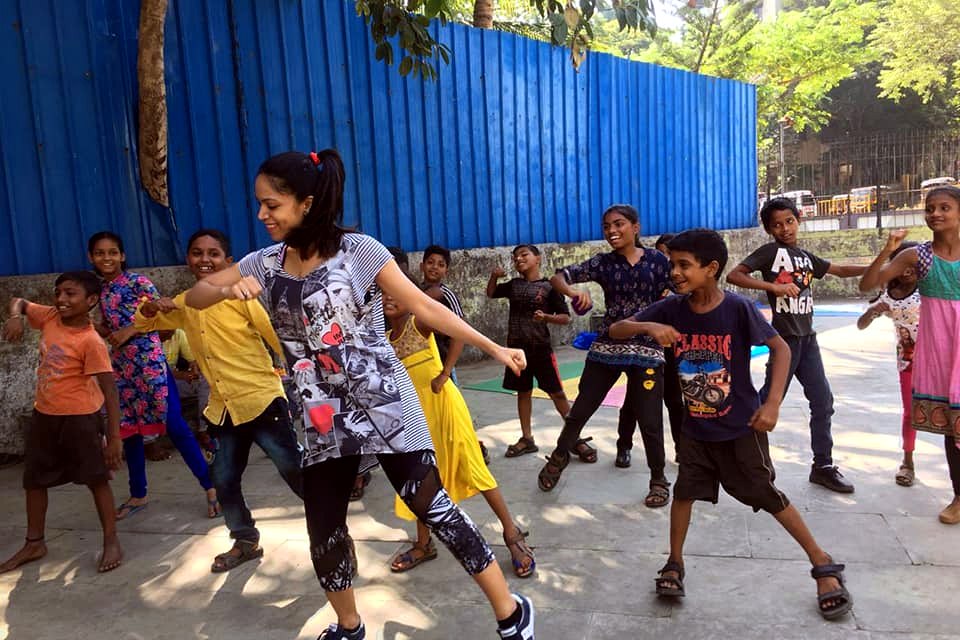
Wonder, questions, imagination, discovery, play, experimentation and problem-solving. Children begin to experience learning not as pressure, but as joy.
Listening, speaking, reading, storytelling and self-expression. English becomes a bridge to confidence, opportunity and wider connection.
Kindness, cooperation, listening, responsibility, non-violence and emotional understanding. Values are not only taught; they are lived through relationships.
Field visits, guest speakers, career exposure, museums, digital learning, cultural exchange and real-world experiences. Children begin to see possibilities beyond their immediate circumstances.
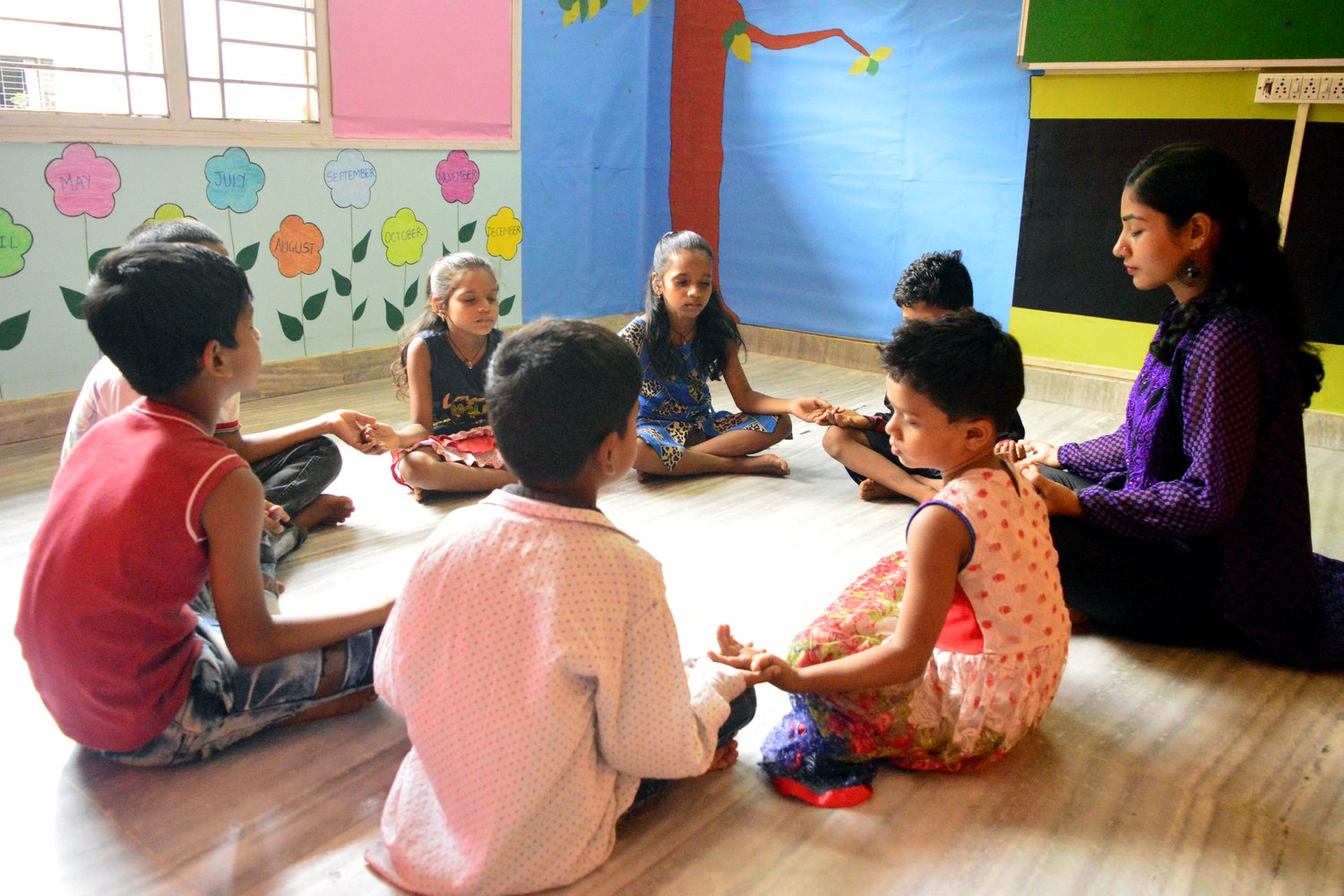
Emotional awareness, reflection, breathing, body awareness, journaling, self-worth and inner safety. Children learn to understand themselves with care and compassion.

Regenerative learning asks a simple question of every experience.
Children begin to ask questions again after fear of failure or shame.
Children begin to trust their voice, choices and abilities.
Children learn to notice feelings, regulate emotions and return to safety.
Children practise empathy, listening, repair and cooperation.
Children begin to see themselves as contributors to the world around them.
Our learning cycle:
Meta means learning to observe how we learn, think, feel, relate and make meaning. The child does not only learn a subject; the child also becomes aware of how they learn, what creates curiosity, what emotions support or block learning, how they think, relate, reflect and make choices, and how they can become an independent learner.
So Meta is the awareness of the learning process itself, looking at something from a higher level.
Quantum represents the idea that a small shift in awareness, relationship, language, confidence or opportunity can create a wider change in a child's life and ecosystem. Here, quantum is used metaphorically, not as a claim about quantum physics.
One caring relationship may create safety.
Safety may create curiosity.
Curiosity may improve learning.
Learning may build confidence.
Confidence may change future choices.
A small shift can therefore influence the child's whole ecosystem.
The central worldview.
The educational philosophy.
The developmental pathways.
Children understand how they learn and grow.
Small meaningful changes create larger life transformation.
The model works through layers. Interconnectedness shapes how we see the child. Regenerative learning shapes how we design experiences. The five pillars guide what we nurture. Meta-learning helps children become aware of their own growth. Quantum shifts remind us that transformation often begins with small but meaningful moments.

A learning ecosystem also means building a strong circle of partners around every child. Touching Lives collaborates with organizations, professionals, volunteers, mentors, artists, educators, therapists and experts from diverse fields who bring knowledge, skills, exposure, opportunities and care into the children's lives.
Through these partnerships, children experience a wider world of learning and possibility, while Touching Lives continues to hold their long-term journey with consistency, safety and love.
In the coming years, this model will also open as a training and learning platform for educators, facilitators, volunteers, organizations and community workers who wish to understand and practise healing-centered, integrative, regenerative and interconnected approaches to learning. Through this, Touching Lives hopes to share its two decades of experience, tools, reflections and practices with others working with children and communities.